Built for efficiency
Hydraulic and mechanical press solutions are designed to support throughput, repeatability, and practical production performance.
About HIND
HIND Hydraulics presents itself as a long-running engineering-led manufacturer shaped by R&D, difficult project responsibility, and the confidence to build alternatives to imported machines. This page organizes that story into something more credible and easier to scan.
Who we are
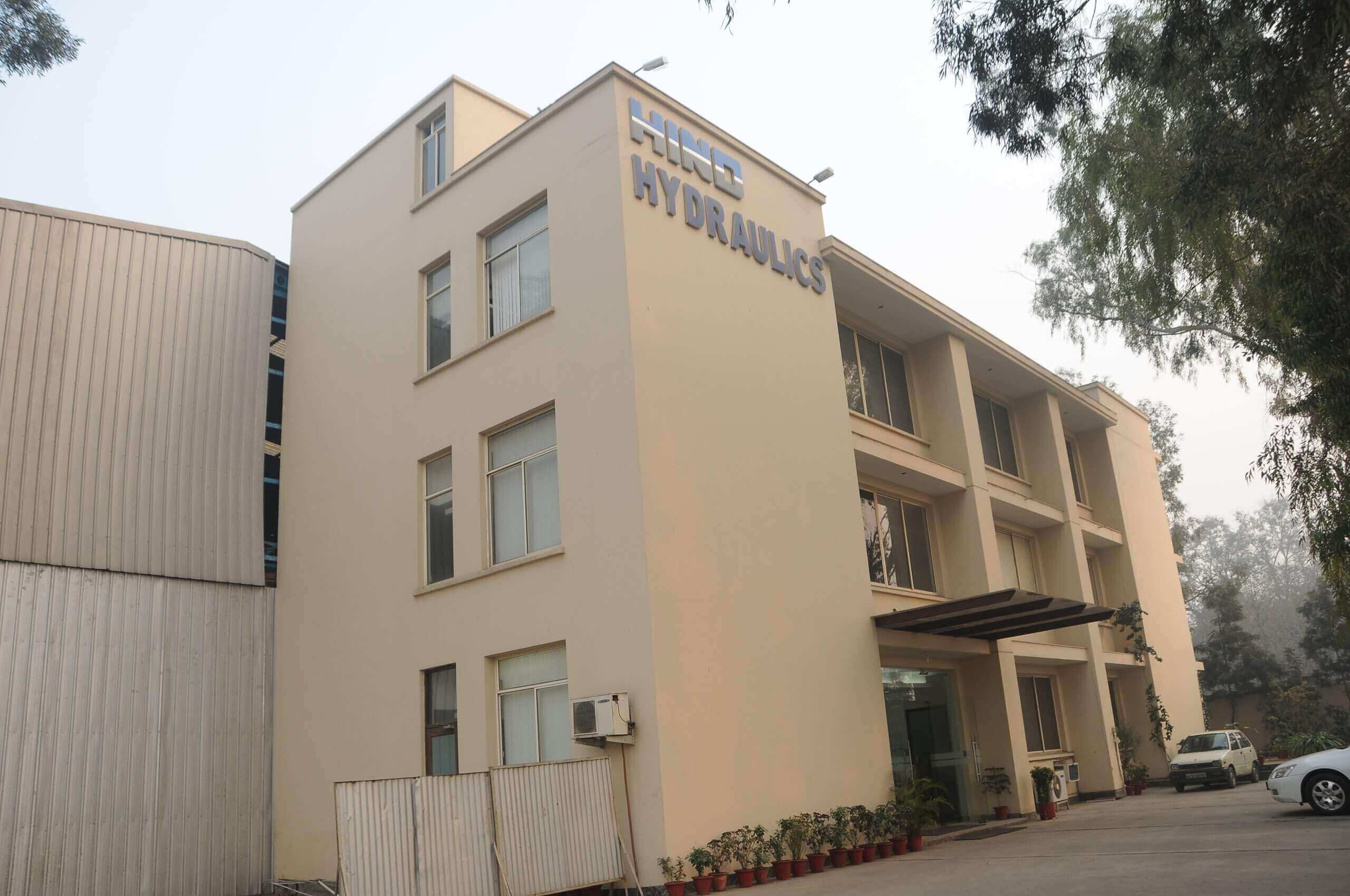
Hind Hydraulics describes itself as a leader in manufacturing hydraulic presses, mechanical presses, servo-electrical presses, press tools, and dies for a growing economy. The important part is not the label. It is the repeated willingness to take on difficult projects and own the outcome.
The company’s positioning also emphasizes import substitution, engineering in fluid technology, electronics, and control technology, and a team culture that combines talent in service of the customer brand. Those are stronger messages than the current website lets them be.
Engineering principles
The original site and supporting article both point to efficiency, product quality, versatility, operator safety, and long-term reliability. This page keeps those principles but presents them as usable decision signals.
Hydraulic and mechanical press solutions are designed to support throughput, repeatability, and practical production performance.
Precise control reduces process drift, improves consistency, and limits material waste across repeated production cycles.
From automotive and aerospace to appliances, railways, and heavy engineering, the platform thinking stays adaptable to new briefs.
Safety, consistency, and reduced manual strain matter just as much as output when a machine becomes part of a long-running line.
How work moves
About pages often fail because they stop at self-description. This one continues into how HIND approaches the work, so it still serves an enquiry path.
Step 1
Start with the production requirement, force profile, material behavior, cycle expectations, and downstream handling constraints.
Step 2
Translate the application into machine architecture, controls, tooling logic, and production-safe mechanical behavior.
Step 3
Manufacture the system with attention to structural integrity, fit-up quality, and maintainable production readiness.
Step 4
Bring the line into service with practical support, tuning, and after-sales coordination that keeps the project usable.
Keep moving
If the buyer is ready, route them to sales@hindhydraulicspvtltd.com or the enquiry page now. If not, move them deeper into products and infrastructure.