
Stage 1
Study the application
Start with the production requirement, force profile, material behavior, cycle expectations, and downstream handling constraints.
Infrastructure
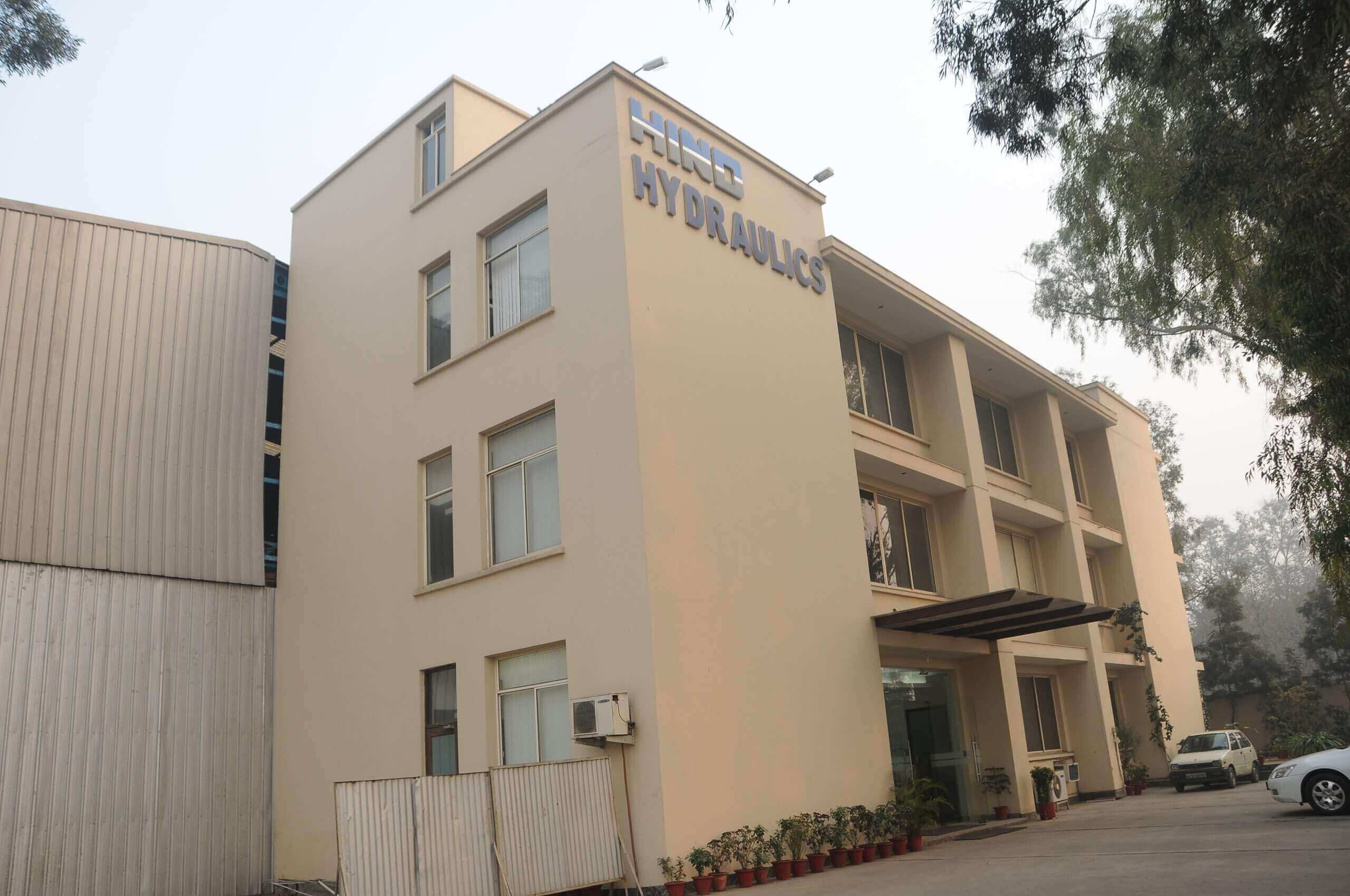
The existing website shows the building and the machine outputs, but it does not turn that into an operational narrative. This page does: design, manufacturing, assembly, commissioning, and the production environment that holds them together.
Production environment
For an industrial buyer, infrastructure pages should show build seriousness, not just architecture. This version pairs the facility image with actual machine and process cues so the story stays tied to output.
Operational vignette
Force
251T
Approach rate
147 mm/s
Completed cycles
0
Control bay
Inspired by the local press simulator and volumetric environment references, but rebuilt as a restrained operational module that fits the site instead of fighting it.
The press can run continuously, be cycled once on command, or fall back to a static state when reduced-motion preferences are active.
How the work is executed
HIND’s own positioning repeatedly links machine success to engineering, build, and support. The steps below keep that visible so the page still drives enquiry.
Stage 1
Start with the production requirement, force profile, material behavior, cycle expectations, and downstream handling constraints.
Stage 2
Translate the application into machine architecture, controls, tooling logic, and production-safe mechanical behavior.
Stage 3
Manufacture the system with attention to structural integrity, fit-up quality, and maintainable production readiness.
Stage 4
Bring the line into service with practical support, tuning, and after-sales coordination that keeps the project usable.
Why this page converts
This is why every page in the new site keeps two actions nearby. If the buyer has seen enough, they should never have to hunt for the next move.
Use the next step
Share the application and project constraints so the team can respond with the right machine conversation.